Tag Archives: Museum

*Travel Log* – Bartlesville, Oklahoma – March 18, 2010

Wright & Western Wonders

We made a day trip from Tulsa to Bartlesville combining a hardy dose of Frank Lloyd Wright and an afternoon of Western heritage at Woolaroc, the former ranch retreat of oilman Frank Phillips circa 1925.

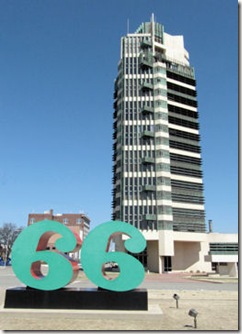
Price Tower 66 Price Tower in downtown Bartlesville holds the distinction of being the only realized skyscraper designed by Frank Lloyd Wright. Commissioned by Harold C. Price, the 19-story structure opened in 1956. Today the building hosts offices, The Inn at Price Tower, Copper Bar and the Price Tower Art Center.

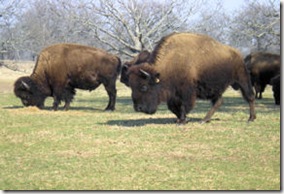
From Bartlesville we drove westward to the Osage Hills. Although the multitude of trees stand bare the last week of official winter we easily imagine the beauty of the area in leafy green or the colors of autumn. Woolaroc – the name derived from the words: woods, lakes, rocks – encompasses 3,600 acres. Visitors discover a diverse hidden gem featuring wildlife preserve, museum celebrating the American West, Phillip’s historic lodge home, petting barn, mountain man camp, picnic sites and walking trails.

*Additional Bartlesville HighlightsWoolaroc Bison

*Recommended Eateries

*Travel Log* – Tulsa, Oklahoma – March 17, 2010

 Another Day, Another Museum

Gilcrease Museum – Tulsa, Oklahoma


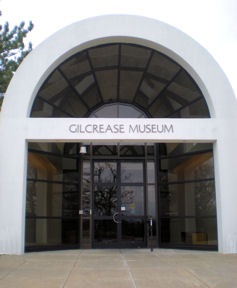
No Irish jig, Celtic music or corned beef for us this St. Patrick’s Day. Instead, we spent the day submerged in Western art at the Gilcrease Museum in Tulsa. Another day when we thought we would take in two museums but by 1pm we knew we needed the rest of the afternoon to finish at the Gilcrease.Gilcrease Museum

Permanent Exhibits include:

  • Enduring Spirit: Native American Artistic Traditions
  • The American West
  • Ancient Americans: Treasures from the Hispanic Heritage Collection
  • The Southwest
  • Kravis Discovery Center
  • Olaf Wieghorst
  • KS Ranch – Hands-on Kids Stuff

Featured Limited Time Exhibits include:

  • The Masterworks of Charles M. Russell: A Retrospective of Paintings and Sculpture – through May 2, 2010
  • The West of Olaf Seltzer – through August 29, 2010
  • Unconquered: Allan Houser and the Legacy of One Apache Family  – through March 21, 2010

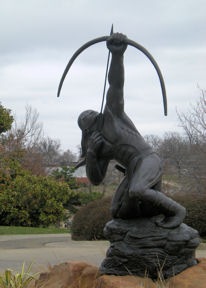
Gilcrease Sculpture We took a break from the exhibits for a pleasant lunch at The Restaurant at Gilcrease overlooking sculptures in the garden and wooded rolling hills. White table linens, sparkling stemware, initialed charger plates and a professional, well-trained staff create an elegant yet comfortable ambiance. The menu offered interesting options from a bison burger, vegetarian quiche or Santa Fe chicken salad to lobster yellow corn soup.

As the volunteer at the information desk said, “It’s good for people to find out we’re not a cultural desert in Oklahoma.”

World Figure Skating Museum – Colorado Springs, Colorado

Recalling Figure Skating History

World Figure Skating Museum & Hall of Fame


As the 2010 Winter Olympics unfold across television screens, millions of viewers get swept into the beauty and drama of figure skating competition. Memories glide back to skaters of fame and infamy. Truly, I’m not old enough to remember skating sweetheart Sonja Henie, Olympic champion in 1928, 1932 and 1936. However, I easily recall Carol Heiss competing in the 1956 Olympics and earninExterior Sign[1]g the gold medal in 1960 at Squaw Valley. Since then, with each Winter Olympics, I’ve eagerly anticipated each stroke, sit spin and Salchow.

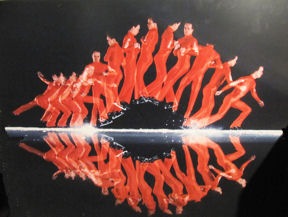
The World Figure Skating Museum and Hall of Fame in Colorado Springs takes visitors through an interesting history of skates and development of the sport as well as great skating moments. It’s the only museum in the world dedicated exclusively to the history of figure skHamilton Jumpating.

From my earliest attempts I was always skating challenged – spending more time on my ankle bones than on the blades. I could barely make it around the rink let alone execute jumps and spins. In preparation for 2010 Olympic viewing I gravitate towards the museum’s graphic displays detailing the differences of a toe loop, Axel and Lutz jump.

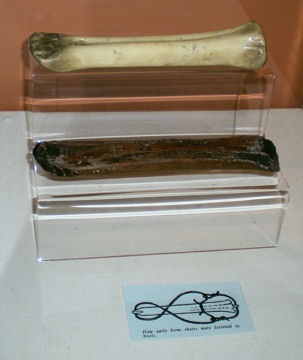
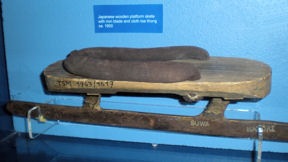
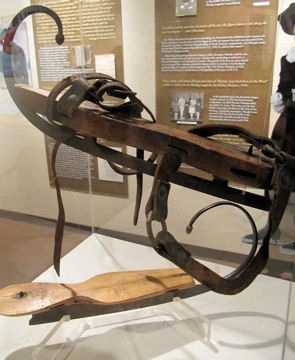
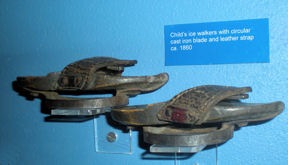
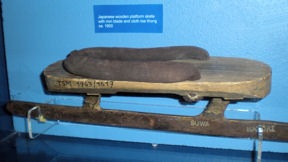
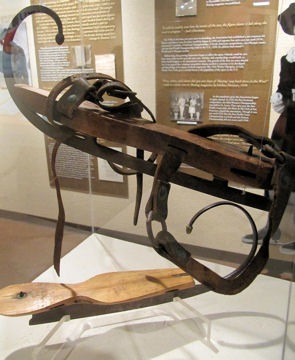
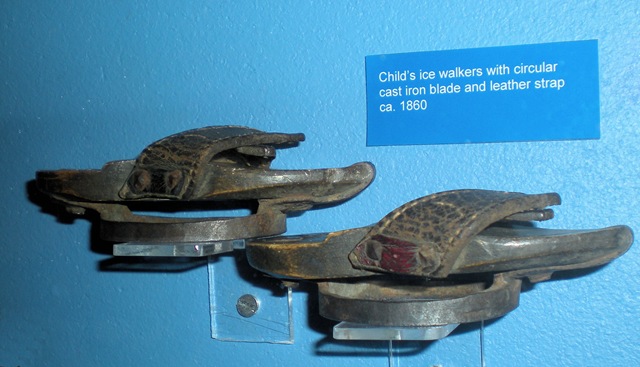
I’m always intrigued by the display of historic skates from cultures around the world. In the eighth century, shank bones were strapped to footwear for transportation across the ice. Indeed, the English word “skate” is derived from the old German word schake, meaning shank or leg bone. Skates from the 18th century show a variety of cast iron blades with elaborately curved prows. I’m still trying to imagine skating on the circa 1900 Japanese skate with a wooden platform and cloth toe thong. When I spot a pair of child’s circular blade “ice walkers” I know that’s where I should have started.

Bones

Japanese Thong Skate


 Skate in Cube


Circular Blade

The museum’s art collection demonstrates skating’s popularity as a subject for artists through the centuries – Delft china to an Andy Warhol painting of Dorothy Hamill. Bronze sculptures capture the flowing lines and grace we associate with the sport. A finely-detailed silver figurine commemorates the only known military battle fought on ice skates, the Battle of Ij in 1572. Accounts say that Dutch troops crossed a frozen river on skates to surprise their Spanish adversaries. The Spanish captain promptly order several thousand pairs of skates for his soldiers. The legend is that the Spaniards lacked both the will and the skill for skating success.

Competition fuels modern battles on the ice. Don’t we all remember Tonya Harding’s scheme to literally “knock” Nancy Kerrigan out of the 1994 Olympics? One piece of skating history not memorialized at the museum. Last week we were subjected to a day of whining after Evgeni Plushenko placed second in Vancouver. Even Russian Prime Minister Vladimir Putin weighed in with his opinion.

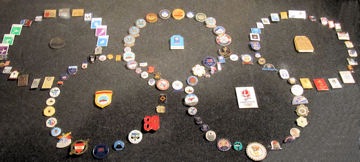
Olympic Pins - B

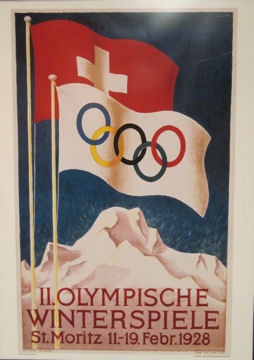
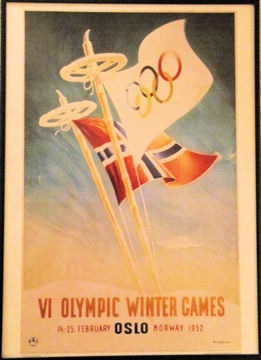
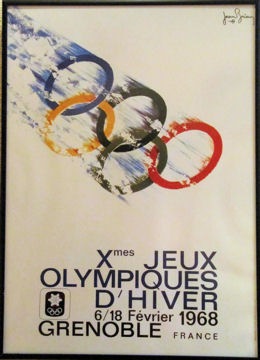
Figure skating was the first winter sport contested in the modern Olympics – 1908 in London. Olympic memorabilia abounds recalling positive highlights – posters, costumes, pins, videos, stories from the athletes and even Scott Hamilton’s 1984 Gold Medal.

28 Poster 52 Poster 68 Poster

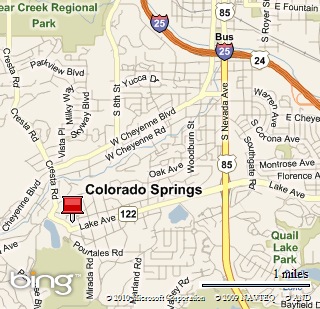
When You Go: The World Figure Skating Museum & Hall of Fame is tucked away in the Broadmoor neighborhood at 20 First Street, Colorado Springs, Colorado. Hours are 9am-4pm Monday – Friday and 10am-4pm on Saturdays, May through October.

World Figure Skating Museum and Hall of Fame

Visiting Abraham Lincoln Sites

Tracing Lincoln’s Trail

Abraham Lincoln was born in a simple Kentucky cabin 201 years ago. With little formal education but great vision, determination, and integrity he abolished slavery and preserved the Union of the United States. Even 145 years after his death the impact of his leadership lives on. Trace his trail from humble boyhood to the presidency by visiting one of the national or state sites memorializing Lincoln.

Abraham Lincoln Birthplace National Historic Site – Hodgenville, Kentucky

Lincoln Boyhood National Memorial – Lincoln City, Indiana

lincoln-memorial2Lincoln’s New Salem State Historic Site – Petersburg, Illinois

Lincoln Log Cabin State Historic Site – Lerna, Illinois

Lincoln/Douglas Debate Museum – Charleston, Illinois

Lincoln Home National Historic Site – Springfield, Illinois

Lincoln – Hendon Law Offices – Springfield, Illinois

Old State Capitol – Springfield, Illinois

Ford Theater National Historic Site – Washington D.C.

Lincoln Tomb – Oak Ridge Cemetery, Springfield, Illinois

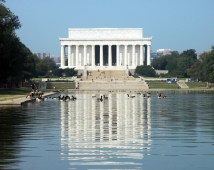
Lincoln Memorial National Memorial – Washington D.C.

Abraham Lincoln Presidential Library & Museum – Springfield, Illinois

Abraham Lincoln Presidential Library & Museum – Springfield, Illinois

Meet Mr. Lincoln / Mr. President

alplm_logo

A visit to the Abraham Lincoln Presidential Library & Museum in Springfield, Illinois offers a broad perspective on our 16th president. As we celebrate his 201st birthday, this facility is the best place I’ve seen to meet Mr. Lincoln.

Exhibits and multi-media theaters, entitled “Journeys”,  relate Lincoln’s life and influence. Journey One takes us through the Pre-Presidential Years. Beginning with “Carving a Family Home.” We visit a log cabin symbolic of his early years growing up in Indiana. “Self-Taught” takes us to his teen years and the image of Lincoln reading borrowed books by firelight. “On the River, The Slave Auction, New Salem, Life in Springfield, The Permissive Parent, Campaign 1860, On to Washington” vignettes propel us to the beginning of Lincoln’s presidency.

After completing Journey One, The Union Theater presentation “Lincoln’s Eyes” offers a change of pace and more insight. The state-of-the-art theater presentation immerses the visitor into the dramas and issues facing Lincoln. We come away with a deeper understanding of his vision, courage and integrity. lincoln-museum-plaza
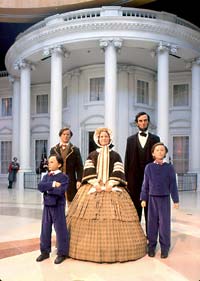
Journey Two spans the White House years as we move from the “White House South Portico’ to “What Are They Wearing in Washington?” and the beginning of the Civil War at ”Fort Sumter.” I found “The Whispering Gallery” one of the most impactful scenes. In a twisted hallway we hear the unkind voices of critics talking about the Lincolns’ first months in Washington. Political cartoons and ugly caricatures cover the walls. We realize that history tells a different story than the views and fears of any political time.

The story continues through more than a dozen scenes – “The Death of Willie, Emancipation Proclamation, The Gettysburg  Gallery, Ford’s Theater,” and “The Funeral Train.” The compelling “Lying in State” is a recreation of Springfield’s Old State Capitol and the lavish trappings of Victorian-era mourning. A hushed reverence settles on visitors as they pass the closed replica casket. I feel as if I am paying my last respects.lincoln-ghost1
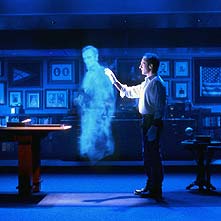
A second theater presents “Ghosts of the Library.” The historian/curator host of the dramatic presentation takes us magically into the Presidential Library. He explains the importance of preserving items such as a music box or quill and the history they relate. My husband is still talking about the live actor slowly dissolving into thin air. We later learn about the Holavision® technology used in the show.

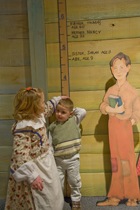
Additional permanent exhibits include a Treasures Gallery of actual items that were part of Lincoln’s everyday life and Ask Mr. Lincoln, an interactive theater where you’ll get answers and advice in Lincoln’s own words. Mrs. Lincoln’s Attic is a hands-on room for Lincoln - Measuring  Up kids of any age. Dress up as a Civil War soldier, rearrange the furniture in the Lincoln Home doll house or take pictures with a life-size cutout of young Abe. The Illinois Gallery houses temporary exhibits.
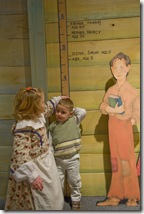
You’ll be amazed at the Lincoln Museum experience – Disneyesque yet relating an important part of our nation’s history. This is not your grandfather’s museum of dusty relics. You’ll spent twice as long as planned and even hard-to-entertain kids will come away with a vivid history lesson they’ll remember.

An extensive gift shop offers more Lincoln related items and books than you can imagine. Across the street The Presidential Library houses a repository of materials relating to Lincoln and the state of Illinois. You’re welcome to enter but facilities primarily serve scholars and researchers.

When You Go: The Museum is open daily 9am-5pm except Thanksgiving, Christmas and New Year’s days. Check the website for admission fees and visitation details.

LINCOLN BIRTHDAY WEEKEND EVENTS

AT THE ABRAHAM LINCOLN PRESIDENTIAL MUSEUM

February 12

  • Sandra Fritz will portray "Mrs. Wade" in the Ford’s Theatre exhibit (10:15 am – 1:00 pm)
  • Patricia James Davis will perform "From My Front Porch" in the Union Theatre – afternoon
  • Mike Anderson performs 19th century music in the Plaza – morning
  • Dale C. Evans & Steve Staley perform 19th century music in the Plaza – afternoon

February 13

  • Heartland Brass Band performs Civil War era music in the Plaza – 10:30 am
Littleton Museum – Littleton, Colorado

A Walk Through Littleton History

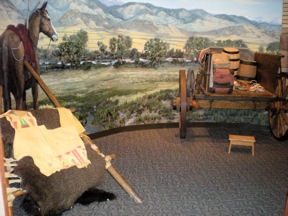
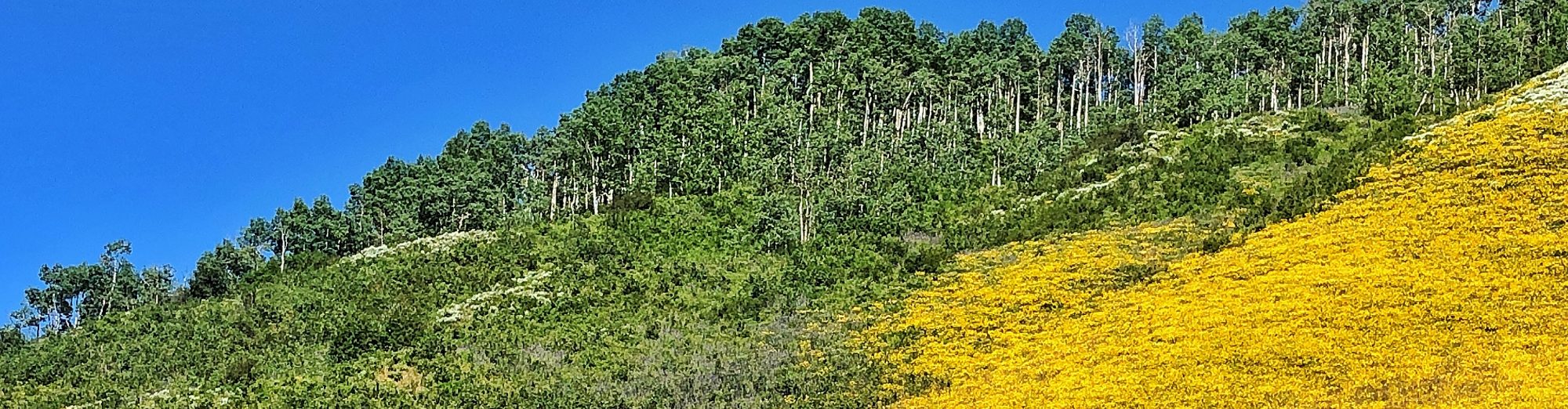
Living history, fine arts, historic farms, nature, cultural events – the Littleton Museum provides an outstanding showcase for the suburban Denver community. The museum contains four galleries. The Permanent Exhibition Gallery relates the “Littleton Story from the gold ruLittleton Museum Interiorsh days of 1859 to current space exploration. A 13-minute orientation video sets the stage for an initial visit. One of the features we enjoy is that not not all the items on display are century-old antiquities. Articles from a couple of decades ago or just a few years past stimulate the “remember when” response.

The Changing Exhibition Gallery displays themed exhibits from the museum’s own collections or traveling exhibitions. We recently visited A Double-Edged Weapon – the Sword as Icon and Artifact. Knowing Bob would find this of interest I wasn’t anticipating being engaged by the subject. However, there’s always a however in life  – I learned as much or more than Bob did during the visit. Maybe that was because of my low starting point. I hear that weaving will be the focus of the next exhibit in this Gallery.

The Fine Arts Gallery hosts shows of original art and photography. The always popular annual "Eye of the Camera" exhibition by the Littleton Fine Arts Committee is scheduled for February 23 – April 4, 2010.

Littleton Museum Cow - B The Kid’s Connection Gallery welcomes the youngest visitors with hands-on activities. But, don’t be surprised if what the kids really want to do is get outdoors and visit the two period farms.

The 1860 farm depicts Littleton’s settlement era. A log cabin and barn, sheep shed, pig shelter, chicken coop, root cellar and farm animals give visitors a realistic view of pioneer life along the South Platte River. We were amused during a visit when the resident cat walked into the cabin, jumped onto the window-front table and curled into a cozy basket. The same day we met a 3-year-old “regular” who knew all the animals by name.

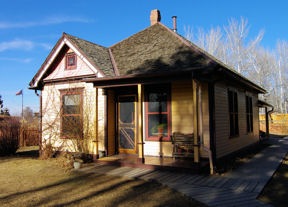
A circa 1910 ice house and Littleton’s restored first schoolhouse are located along the shores of Ketring Lake. On the north side of thLittleton Museum 1890 Farmhourse - Be lake stands the 1890 farm. The developments and differences in only thirty years are dramatic. The 1890 house is constructed of milled lumber and designed with separate rooms: kitchen, dining, bedrooms, parlor, even porches. We note the wood-burning kitchen stove, kerosene lighting, decorative wallpaper and piano – items not found in the circa 1860 cabin.

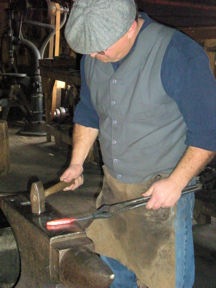
Littleton Museum Blacksmith Just as in 1903, the blacksmith shop is a popular gathering place. Almost every day the museum is open visitors find a blacksmith busy at work making repairs or tools and materials Littleton citizens would have needed in the early 20th century. The living history interpreters eagerly answer questions and share details of life in early Littleton.

Special events and hands-on programs further enrich the museum experience. Try your hand milking the cow, make a Victorian valentine or help with farm chores. Upcoming special events include Dairy Day on March 27th, Sheep to Shawl April 17th and Plowing and Planting scheduled for May 15.

Whether viewing contemporary art or stepping back to 1860 we always find something of interest at the Littleton Museum.

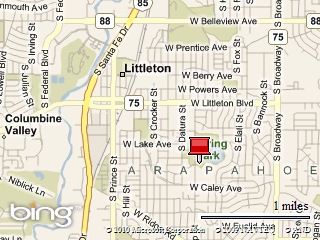
Map picture

Denver Museum of Nature & Science – Denver, Colorado

Genghis Khan Exhibit

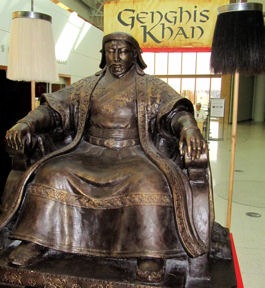
Genghsis Khan

The days trickle down to a precious few to view the Genghis Khan exhibit at the Denver Museum of Nature & Science before the artifacts and art return to Mongolia. The exhibit closes Sunday, February 7, 2010 after a four-month visit. Facts, myths and suppositions are explored about Genghis Khan’s life and empire. Grasp a view of the nomadic life-style as you view the interior of a ger (yurt). See live performances by traditional Mongolian singers and musicians, rarely displayed period art pieces and weaponry. Follow the rise and fall of the Mongol Empire.

Time specific tickets are required for admission to the Genghis Khan exhibit. Make reservations before arriving at the museum. I suggest calling; my Internet reservations couldn’t be located two full days after they were made, an obvious glitch somewhere in the system.

Simpich Showcase – Colorado Springs, Colorado

Marvelous Marionettes

Simpich Sign

As the stage lights dim and applause erupts I sit in absolute awe at the performance I’ve just witnessed. I believe puppeteer David Simpich is truly a creative genius. His masterful interaction with a cast of marionettes amazes whether he’s relating the Christmas story or a Russian fairy tale.

For nearly an hour and a half I’ve been mesmerized by a seamless one-man show. Simpich, and only Simpich, is on stage with more than a dozen marionettes, speaking for each in a distinctive voice, he’s the sound effects, lighting technician, props man and stage manager. Not only that, he’s also the playwright, puppet creator, costumer and stage designer. Amazing!

Simpich skillfully brings the marionettes to life; his large hands deftly execute the slight tilt of a head or turn of a tiny hand. Although we can see his mouth moving it’s the character speaking. These minute nuances make us soon forget we’re seeing puppets controlled with a multitude of strings. The audience is completely drawn into the magic of the story and presentation.

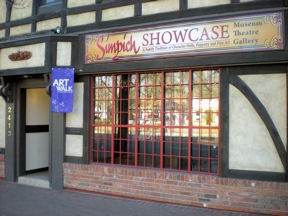
Simpich Showcase Exterior After years of traveling and producing shows around the country Simpich, along with wife, children and family of hundreds of handcrafted puppets has a permanent home in Old Colorado City, Colorado Springs. Simpich remodeled the former home of his parent’s Simpich Dolls company, opening the Simpich Showcase Museum, Theatre and Gallery in May 2009.

The handmade character dolls created by Jan and Bob Simpich are beloved by collectors around the world. For 54 years the workshop hummed with up to 100 workers intricately detailing each creation. Jan and Bob closed their business in 2007. The Simpich Doll Museum showcases the creative process as well as dioramas of many characters from the family collection. The Gallery on Strings displays dozens of David Simpich’s marionettes, allowing close inspection of the finely detailed puppets.

An exhibition of Bob Simpich’s  original oil paintings are currently highlighted in the Gallery. Originals and prints are available for purchase as well as works by Jan Simpich and selected artists from the Colorado Springs area.

The 70 seat theatre is a rare facility dedicated to string-puppet productions. The size and design allow for a intimate audience experience.

The Firebird, an original retelling of classic fairy tales from Russia opened January 27, 2010. The show continues through March 21st with performances each Friday evening and matinees on Wednesdays, Saturdays and Sundays (no show Sunday, February 7th). Simpich shows are crafted for an adult and school-age audience. The length and content make them unsuitable for pre-school children. These are not cutsy kiddie shows but thought provoking, quality theatre drama productions.

Four other shows are planned for 2010.

  • Portraits: A Gallery on Strings – – March 31 – May 16
  • The Secret Garden – – May 26 – September 6
  • Aesop – – September 22 – November 7
  • A Christmas Carol  – – November 17 – December 31

Tickets are available for individual performances or in season ticket packages for all five at a discounted rate. Shows frequently sell out – especially the Christmas Carol – reservations are strongly advised and can be made at the Simpich website. Theatre tickets include admission to the museum. The Gallery and Museum are open daily except Monday.

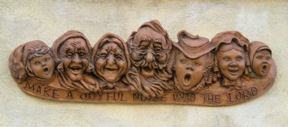
After seeing a You Tube video about Portraits we’re planning our next visit. Attend a Simpich show and be entertained, amazed and inspired. Let me know your reaction.

Simpich Faces

January 12, 2010 – Boulder & Golden, Colorado

A Found Day – New Experiences

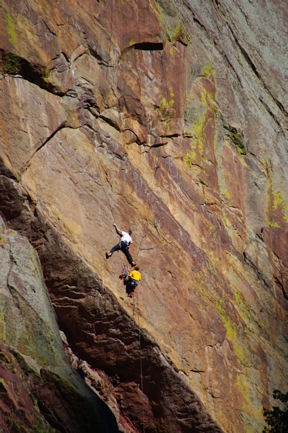
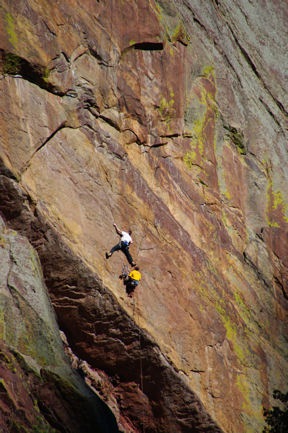
Prepared for a full day of jury selection and possible service the day seemed a gift after my name wasn’t called for the selection process. January temperatures in the 50s and cloudless blue skies promised a perfect day to go adventuring. We decided to make our first visit to Eldorado Canyon State Park south of Boulder followed by an informative hour at the Bradford Washburn American Mountaineering Museum in Golden.Rock Climber

The rocky walls and cliffs of Eldorado Canyon holds a worldwide reputation with rock climbers. The park also offers miles of hiking and biking trails, fishing and picnicking. Thirteen miles south of Eldorado Canyon the museum offers a look into many aspects of mountaineering in Colorado and around the world.


Mountaineering Museum While we weren’t tempted to become a human spider on the lichen walls of Eldorado Canyon nor stand atop Mount Everest our impromptu activities were a perfect match for a January Day.

Too often we feel the need to venture far from home in our travels when there are many overlooked opportunities worthy of our attention nearby.

*Book Review* – American’s Living History

A Traveler’s Guide to

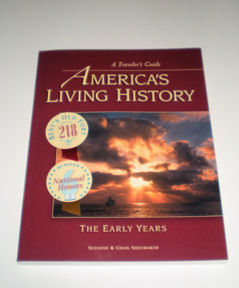
American’s Living History – The Early Years

By: Suzanne & Craig Sheumaker


A Bent’s Old Fort National Historic Site interpretive ranger recommended a book focusing on living history sites across the country.  Fortunately the bookstore/trade room had copies of American’s Living History – The Early Years. After a brief browse I knew we needed to add this title to our travel bookshelves.

Authors Suzanne and Craig Sheumaker selected 300 sites throughout the US that are historically accurate and offer history-based activities, re-enactments and/or special events. The Sheumakers visited each of the 300 locations before compiling the book, plus many others that did not make the cut. “The Early Years” refer to the fact that the authors chose to focus on destinations reflecting pre-1840 history, from early Native American cultures to the opening of the West.

Regional maps and listings provide visual destination locations while themed chapters are organized by field of interest. At first I found the organization a bit awkward but after reading the introduction, historical timeline and several entries I realize the groupings are logical and practical.

Each chapter begins with a short historical perspective, followed by individual destination descriptions and photos. Craig’s professional photography expertise enriches every page. The descriptions offer concise background knowledge and visitation highlights. Frequent sidebars add informative mini-lessons of American history. “Wouldn’t it be great if school history lessons were so interesting?

The award-winning book doesn’t try to provide every detail of hours, fees, restrictions, etc. – dull details that make a book dated by the time it arrives from the printer. Instead, contact info including websites are listed for the reader/traveler to find the latest, accurate details needed for a successful visit.

I couldn’t resist the urge to count how many of the sites we’ve visited – 52. In reading many of those entries I find the Sheumakers’ information extremely factual. Terms such as, “exceptional, meticulous, charming or terrific” are used accurately not as hype. Whether one is an on-the-road RVer or an armchair traveler they will be entertained and enriched by America’s Living History – The Early Years. 

I hope the authors are compiling a follow-up edition covering “The Later Years.” There are many sites dating after 1840 that offer quality living history experiences, especially in the west where settlement was in it’s infancy in the mid-nineteenth century. Meanwhile I need to get on the road to visit the other 248 locations.

America’s Living History – The Early Years is available online at both Amazon and Barnes & Noble or at museum stores across the country.