Travel Destination – Campus Bound
I’ve long been an advocate of university and college campuses as rich resources for travelers. Some of the best art, historic and earth science collections are held by higher education institutes. The University of Arizona in Tucson perfectly illustrates my hypothesis.
University of Arizona Campus Highlights
-
 UA Visitor Center– Campus information center, weekly guided tours, ticket sales for UApresents, parking. Open Monday – Friday 9am-5pm.
-
Arizona State Museum – Oldest and largest anthropology museum in the Southwest, Smithsonian Institution affiliate, world’s largest collection of Southwest Indian pottery, permanent and temporary exhibits, gift shop. The Paths of Life permanent exhibition showcases the origins, history and culture of American Indians of the Southwest with artifacts, historic items, artwork, videos and dioramas. Open Monday – Saturday 10am-5pm, Sunday noon-5pm. Closed state and national holidays. Suggested donation $3.
-
Center for Creative Photography – Museum, research center and photo archives, rotating exhibits. Established by Ansel Adams and UA, holds more archives and individual works by 20-th century North American photographers than in any other museum in the US. Gallery Store offers a large selection of photography related titles. Open Monday – Friday 9am-5pm, Saturday & Sunday 1-4pm, closed major holidays. Free admission, suggested donation.
-
Flandrau: The UA Science Center– Hands-on exhibits, planetarium and observatory for public viewing of night skies. Check website for hours and programs, admission fee, night telescope viewing free.
-
The Jim Click Hall of Champions – The heritage and traditions of athletics at the university showcasing student athletes and coaches. Hours vary, free admission.
-
The University of Arizona Museum of Art – Wide-ranging collections of European and American fine art from the Renaissance to contemporary. Changing exhibits and highlights from the permanent collections. Open Tuesday – Friday 9am-5pm, Saturday & Sunday 1-4pm, closed university holidays. Adult admission $5.
UA Unique
- SOML – Stewart Observatory Mirror Lab – Tours give a behind the scenes look at cutting-edge optical technology and spin-casting processes used in making giant telescope mirrors. Tours on Tuesday and Friday, reservations required, cost $15/person.
More on UA Campus
-
Campus Arboretum – Pick up a map and enjoy a campus walk among the unique collection of trees, shrubs and plants from arid and semi-arid climates. Free.
-
Performing Arts – Theatre, dance and music performances and film screenings staged throughout the year. Admission fees required.
-
Sonett Visitor Center– Self-guided tour at the Lunar and Planetary Laboratory – HiRISE Mars camera, the Phoenix Mars Lander and the Cassini mission to Saturn. Free, 520-626-7432.
-
UA Bookstore– I once heard someone espouse if you want your child to go to a particular university, as a pre-teen take them to the campus and buy them a sweatshirt. All sorts of insignia apparel and gifts are available at the official bookstore in the Student Union Memorial Center.
-
UA Library Special Collections – Collections of rare books and archival materials in many subject areas including Arizona and the Southwest, changing exhibits.
-
UA Mineral Museum– Fabulous collection of minerals, gemstones and meteorites from around the world – over 2,000 on display. Located on the lower level of Flandrau: The UA Science Center. Check website for fees and hours.
-
UApresents – Professional performing arts – classical, jazz, blues and world music events plus dance performances. Admission fees.
UA off Campus
-
Biosphere 2– Management of the living laboratory of global scientific issues is now under management of the University of Arizona. Tours at the complex 20 minutes north of Tucson. Fee.
-
Boyce Thompson Arboretum – Plants from the earth’s varied deserts alongside unspoiled examples of Sonoran Desert vegetation. The Southwest’s oldest arboretum and botanical garden is located near Superior, 90 minutes from Tucson. Fee.
-
UA SkyCenter– Observatories atop Mt. Lemmon, SkyNights, DiscoveryDays and SkyCamps open to the public by reservation. Located 90 minutes north of Tucson. Fee.
Adjacent to Campus
-
Arizona History Museum– Focus on southern Arizona history – Spanish colonial through territorial eras. Mining and transportation featured exhibits. Not part of the University but worth visiting while in the campus neighborhood. Check website for current hours and fees.
This list doesn’t begin to include all the possibilities, pick up a University of Arizona Visitor Guide and follow your interest from cutting-edge science to sport competitions. Be campus bound in Tucson.
 er completing all 18 they receive a “Treasure” from one of the two gift shops.
 lly protected and used for research.
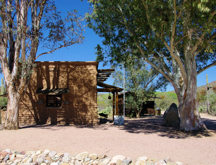 The Civilian Conservation Corps were largely responsible for development of Colossal Cave Mountain Park in the 1930s. The adobe CCC office building has been renovated, housing a museum recalling their efforts and the men who served. From developing the tour route through the cave to the limestone buildings and ramadas the CCC deserves great credit.
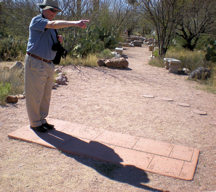 nt Hohokam Indian culture to modern cave research. I was most intrigued with the Analemmatic Sundial which I renamed the human sundial. The horizontal calendar grip is unlike any sundial I’ve ever seen. I tried to get Bob to stand still long enough to serve as the gnomon (vertical rod).
 When You Go:
  Armed with bird books and binoculars we approach
  We start our visit with a picnic lunch in the pavilion near the visitor center. Before heading out for the driving tour we purchase a CD ($2.50) of interpretive information coordinated with numbered signs along the route. The Bosque Nature Store carries a large selection of birding and nature books plus gift items.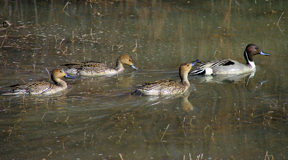
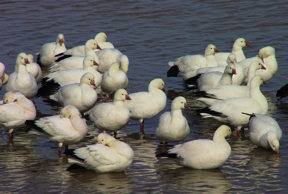
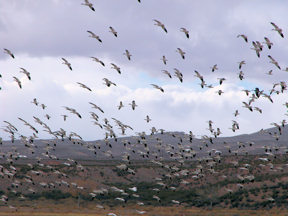 The prominent sighting on this trip was hundreds and hundreds of snow geese. They’re quite a sight when they all decide to go airborne. I always wish we had more time here and vow next time we’ll sit and bask in the winter sun much like the turtle on the log watching the ducks drift pass.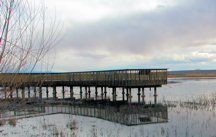
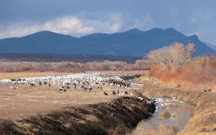
 The first Saturday of spring 2009 with temps in the 70s- what other incentive do we need to get outside? A trip to
 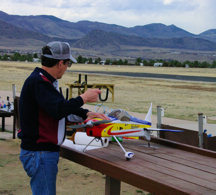 The model airfield is a unique feature at Chatfield. With wind gusts up to 33mph only one plane was in the air during our visit. However, seeing the many different designs, prop to helicopters, and watching the guys tweak their aircraft was almost as interesting as watching a flight. I’m sure it’s not a male only hobby but you wouldn’t know it by today’s “pilots”.
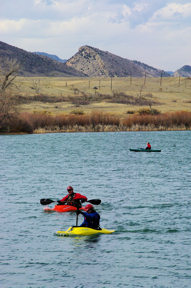
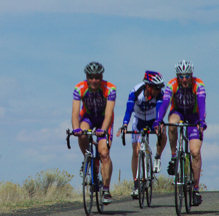 Proximityto the Denver Metro area makes Chatfield a popular recreation destination. Twelve miles of hike/bike trails in the park link with a number of connecting trails including the Colorado Trail, Centennial Trail and Highline Canal Trail. Water sports draw capacity crowds in summer: boating, swimming, water skiing, jet skiing, sailboarding and fishing.
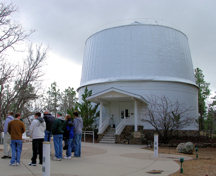 Three premier attractions in the Flagstaff area have joined together to offer an Exploration Pass giving $2 discounts on admission to each the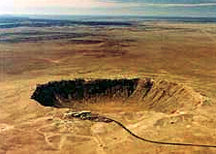
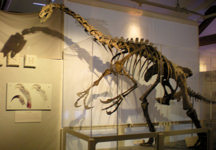 Nine Galleries at the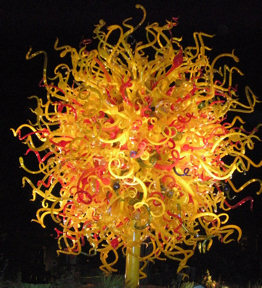
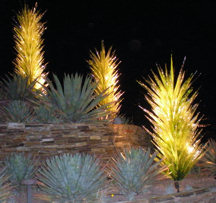
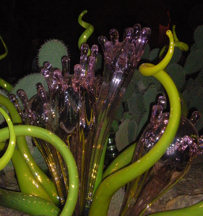
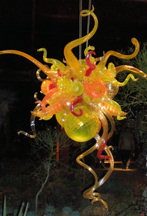
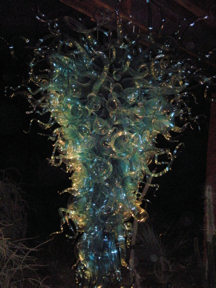
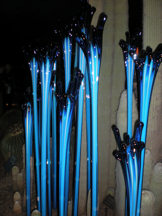
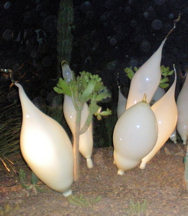
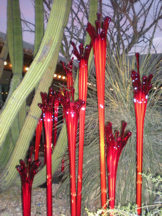
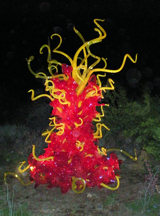
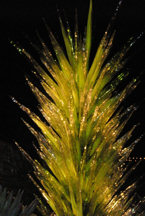

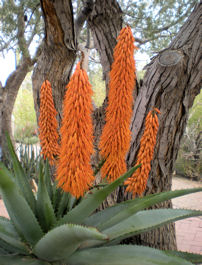
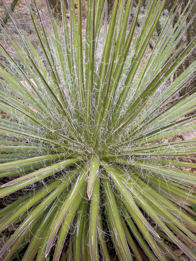

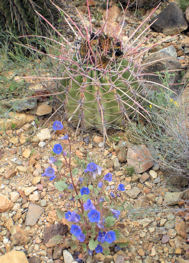
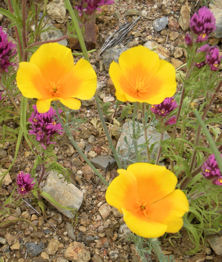
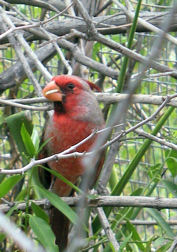
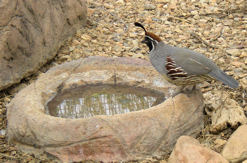
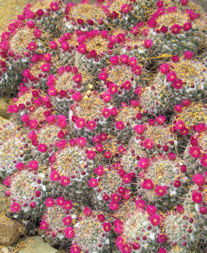
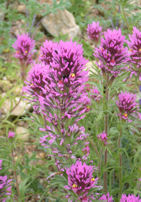
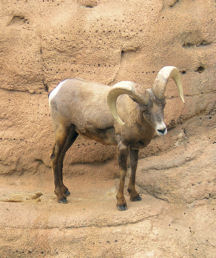
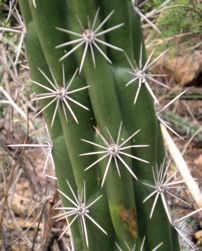
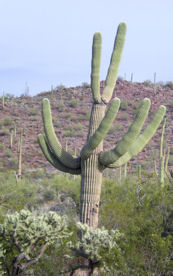 We visited the West section of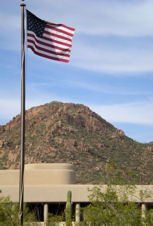
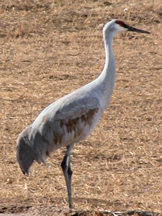
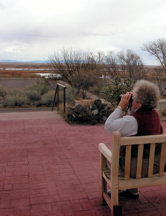
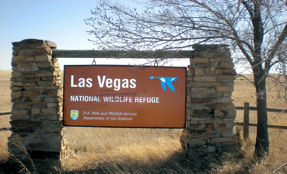 We’re too early for spring migration, however several species winter at the refuge. From an observation deck overlooking Crane Lake we focus on the white “island” across the lake – hundreds and hundreds of snow geese. Sandhill cranes stalk the far shoreline. Canada geese flap and strut near the lake’s edge. Numerous species of ducks bob directly in front of us. Unfortunately my knowledge of species stops at mallard and teal. I need our Sibley’s to identify all that I observe. Wind whipped and chilled we opt for viewing along the eight-mile auto loop passing ponds, lakes, marshes, grasslands and cottonwood groves.
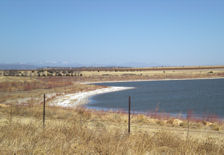 The brochure says 20-50 eagles winter at this refuge but we see none on this visit. We do see a northern harrier hawk drift low over the dry gama grass, stalking its prey – probably a vole.
 Where To Go - Travel USA